
|
Check out our brand new product-- Yoga 4 Classrooms Tee! Wear Your Mindfulness With Pride!
|
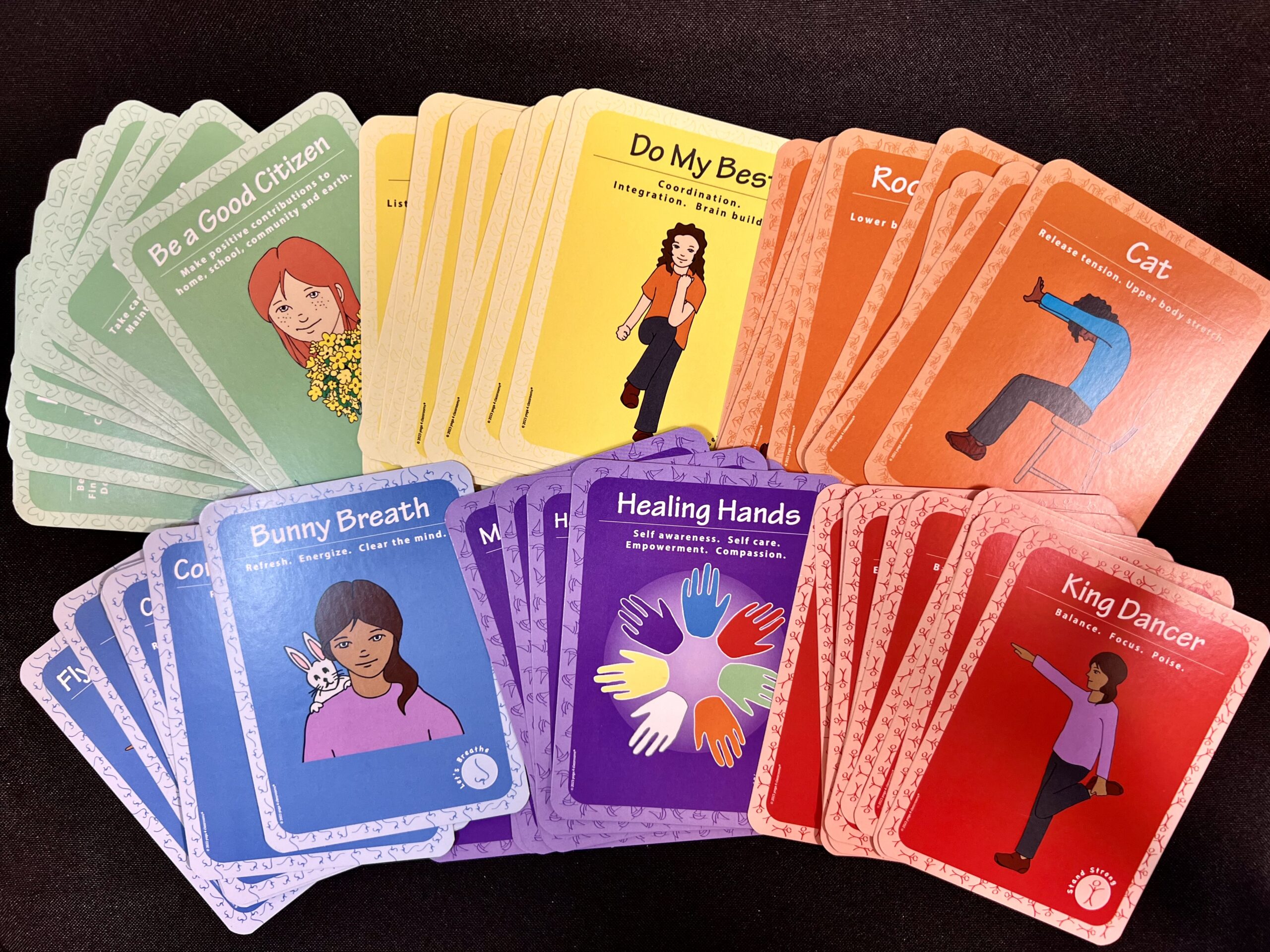
Mindful Moments are one of the simplest ways to help students build self-regulation, focus, and emotional awareness, yet a few common misconceptions can keep educators from getting started. In the videos linked below, Yoga 4 Classrooms owner and former school counselor Sarah Kirk, Ph.D., addresses three of the questions she hears most often: from what to do when a student refuses to participate to why mindfulness doesn’t have to be quiet to the power of starting small. Watch the videos for practical tips and encouragement to help you confidently bring Mindful Moments into your classroom. 🌟
“What if a student refuses to participate?” Student choice is an important part of Yoga 4 Classrooms. Rather than requiring participation, we encourage educators to invite students to join while respecting their autonomy. Often, students who choose to observe at first become more comfortable participating over time.
“Doesn’t mindfulness have to be quiet?” Not at all! One of the biggest misconceptions is that mindfulness means sitting perfectly still in a silent classroom. In reality, mindfulness is about awareness, and awareness can happen through movement, breathing, laughter, and even a little bit of joyful energy. Active, engaging Mindful Moments can be just as powerful as quiet ones.
“I don’t have time.” The good news is you don’t need a 20-minute lesson to make a difference. Lasting change comes from consistency, not length. A single mindful breath before a test, a quick stretch after recess, or a one-minute transition activity can help students reset and refocus. Start small, stay consistent, and watch these simple practices become part of your classroom culture.
Whether you are just beginning or looking to strengthen your implementation, remember: Mindful Moments do not have to be perfect; they just have to be practiced. Small, intentional moments of regulation throughout the day can have a lasting impact on students’ well-being and readiness to learn.
| Cookie | Duration | Description |
|---|---|---|
| cookielawinfo-checkbox-analytics | 11 months | This cookie is set by GDPR Cookie Consent plugin. The cookie is used to store the user consent for the cookies in the category "Analytics". |
| cookielawinfo-checkbox-functional | 11 months | The cookie is set by GDPR cookie consent to record the user consent for the cookies in the category "Functional". |
| cookielawinfo-checkbox-necessary | 11 months | This cookie is set by GDPR Cookie Consent plugin. The cookies is used to store the user consent for the cookies in the category "Necessary". |
| cookielawinfo-checkbox-others | 11 months | This cookie is set by GDPR Cookie Consent plugin. The cookie is used to store the user consent for the cookies in the category "Other. |
| cookielawinfo-checkbox-performance | 11 months | This cookie is set by GDPR Cookie Consent plugin. The cookie is used to store the user consent for the cookies in the category "Performance". |
| viewed_cookie_policy | 11 months | The cookie is set by the GDPR Cookie Consent plugin and is used to store whether or not user has consented to the use of cookies. It does not store any personal data. |
Sign up for our newsletter to get mindfulness tips, classroom tools, and exclusive offers—delivered straight to your inbox.
✨ Join now and get 10% off your first order! ✨