
|
Check out our brand new product-- Yoga 4 Classrooms Tee! Wear Your Mindfulness With Pride!
|
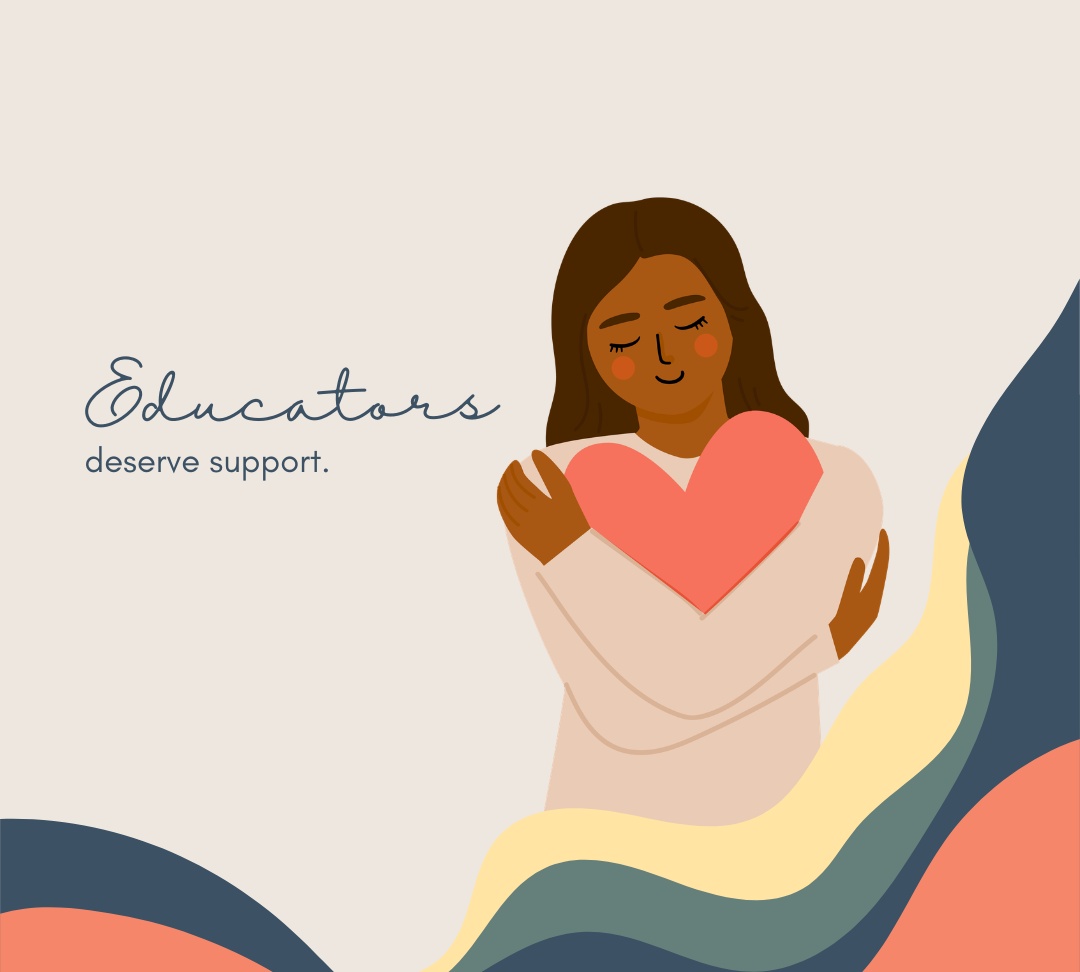
We spend a lot of time talking about student well-being—and for good reason. But new research offers an important reminder: The well-being of the adults in the room matters, too.
A recent study published in the Journal of Educational Psychology examined 679 mathematics teachers and more than 17,500 students across eight countries. Researchers wanted to understand something educators experience every day: How do teachers’ emotions influence what happens in the classroom? The findings were powerful.
Teachers who reported experiencing greater enjoyment were more likely to effectively manage their classrooms, build supportive relationships with students, and use teaching strategies that encouraged students to think critically.
Those teaching practices were then associated with greater student confidence, increased interest in learning, and stronger academic performance.
On the other hand, greater teacher anger was associated with lower teaching quality across these areas and less favorable student outcomes.
In other words, teacher emotions don’t stay with the teacher. They ripple through the classroom.
That is an important distinction. Educators are navigating increasingly complex demands, and teacher well-being cannot become one more responsibility placed entirely on their shoulders.
The takeaway is not that teachers should suppress difficult emotions, force themselves to be happy, or simply “stay positive.” Instead, this research reinforces the importance of creating school environments that support educator well-being—and give adults practical tools for recognizing and regulating their own emotions.
The researchers specifically point to reducing teacher stress and providing supports such as mindfulness-based interventions. And that’s where small, intentional practices can matter.
At Yoga 4 Classrooms, we often talk about using mindful moments to help students regulate, focus, transition, and prepare to learn. But here’s something we don’t talk about enough: The adults benefit from those moments, too.
When you lead your class through a breathing activity, you are breathing, too.
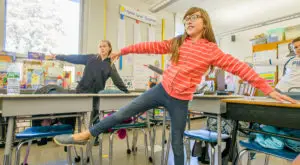
When everyone stands up for a one-minute stretch, your body gets to move, too.
When you pause after a challenging moment instead of immediately pushing into the next task, you are giving your own nervous system an opportunity to reset, too.
You don’t necessarily need to find another 20 minutes in your day for “self-care.”
Instead, consider how you can build tiny moments of regulation into the day you’re already having.
This week, choose one predictable point in your day when both you and your students could benefit from a reset.
Maybe it’s:
Choose one simple Yoga 4 Classrooms activity—breathing, stretching, movement, or mindfulness—and participate with your students rather than simply leading them through it. Notice what happens. Not just for your students. For you.
How does your body feel afterward? Has your energy shifted? Is it easier to approach the next part of your day with patience, focus, or curiosity?
Those one- and two-minute pauses may feel small, but they create opportunities to practice regulation again and again.
If you are a principal, administrator, or district leader, this research carries an important message for you, too: Supporting educator well-being is a schoolwide responsibility.
We cannot ask teachers to regulate themselves and support the regulation of dozens of students every day without also giving them the time, tools, training, and organizational support to do so.
Consider how your school can make well-being part of the culture—not another initiative or item on teachers’ to-do lists. That might mean protecting opportunities for connection, reducing unnecessary stressors, modeling mindful pauses in staff meetings, and providing professional learning that equips educators with practical strategies they can actually use during the school day. Yoga 4 Classrooms can help.
Our professional development gives educators practical, research-informed strategies for integrating simple yoga, movement, breathing, and mindfulness into existing classroom and school routines. Rather than asking teachers to add another program to an already-full day, we help schools create a shared language and toolkit that can support both student and staff well-being.
Training can be provided to individual schools, districts, or organizations and customized to fit your staff, goals, and existing initiatives. If you are looking for a practical way to invest in educator well-being while also strengthening student regulation and readiness to learn, bring Yoga 4 Classrooms to your school or district.
Perhaps the most important message from this research is that teacher well-being isn’t an extra. It is not something we should address only after we have taken care of student achievement, classroom management, relationships, and instruction. Teacher well-being is connected to all of them.
When we support the adults who care for, teach, and guide students every day, we are also investing in the environments where students learn. So the next time you invite your students to pause, move, stretch, or breathe, remember: That mindful moment is for you, too. Because supporting student well-being starts with supporting the people who make learning possible every day.
| Cookie | Duration | Description |
|---|---|---|
| cookielawinfo-checkbox-analytics | 11 months | This cookie is set by GDPR Cookie Consent plugin. The cookie is used to store the user consent for the cookies in the category "Analytics". |
| cookielawinfo-checkbox-functional | 11 months | The cookie is set by GDPR cookie consent to record the user consent for the cookies in the category "Functional". |
| cookielawinfo-checkbox-necessary | 11 months | This cookie is set by GDPR Cookie Consent plugin. The cookies is used to store the user consent for the cookies in the category "Necessary". |
| cookielawinfo-checkbox-others | 11 months | This cookie is set by GDPR Cookie Consent plugin. The cookie is used to store the user consent for the cookies in the category "Other. |
| cookielawinfo-checkbox-performance | 11 months | This cookie is set by GDPR Cookie Consent plugin. The cookie is used to store the user consent for the cookies in the category "Performance". |
| viewed_cookie_policy | 11 months | The cookie is set by the GDPR Cookie Consent plugin and is used to store whether or not user has consented to the use of cookies. It does not store any personal data. |
Sign up for our newsletter to get mindfulness tips, classroom tools, and exclusive offers—delivered straight to your inbox.
✨ Join now and get 10% off your first order! ✨