
|
Check out our brand new product-- Yoga 4 Classrooms Tee! Wear Your Mindfulness With Pride!
|

A recent study published in JAMA Network Open and highlighted by The New York Times found a dramatic increase in children’s mental health concerns over the past decade. Researchers examining insurance claims for 1.8 million children discovered that pediatric mental health visits rose from 5.7% in 2014 to 9.7% in 2023—with anxiety increasing by more than 250%.
While many educators and school professionals may not be surprised by these findings, the data reinforces something schools are witnessing every day: students are carrying increasing levels of stress, overwhelm, dysregulation, and emotional burden into classrooms.
The study’s authors noted that anxiety significantly outpaced all other mental health concerns measured, suggesting a true increase in symptoms rather than simply increased awareness or screening. Researchers and clinicians also emphasized the growing need for accessible, preventative supports that can be integrated into the places children already spend their time—especially schools.
At Yoga 4 Classrooms, this is exactly why we believe mindful moments matter.
Mindfulness is not a replacement for mental health treatment, nor is it a “quick fix.” However, evidence-based mindfulness and movement practices can provide students with practical, preventative tools to:
Importantly, these supports can happen proactively and consistently throughout the school day—not only once students reach a crisis point.
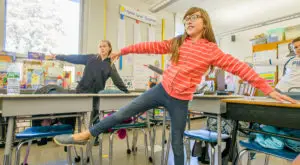
Many educators are noticing that students need more opportunities to pause, breathe, move, reset, and feel safe in their bodies. Brief mindful moments woven into daily routines can help support nervous system regulation while also creating calmer, more connected learning environments for everyone involved.
We also want to acknowledge something equally important: educators are carrying tremendous stress, too. Supporting student mental health requires supporting adult well-being as well. Sustainable implementation happens when school staff have practical tools that feel approachable, realistic, and supportive for both students and themselves.
We remain deeply committed to equipping schools with accessible, research-informed strategies that support regulation, emotional wellness, and positive school climate through movement, mindfulness, and social-emotional learning.
Whether through mindful breathing, movement breaks, grounding activities, or community-building practices, small moments truly can make a meaningful difference.
Thank you for the important work you do each day to support children, families, and school communities. We are grateful to be part of this work alongside you.
| Cookie | Duration | Description |
|---|---|---|
| cookielawinfo-checkbox-analytics | 11 months | This cookie is set by GDPR Cookie Consent plugin. The cookie is used to store the user consent for the cookies in the category "Analytics". |
| cookielawinfo-checkbox-functional | 11 months | The cookie is set by GDPR cookie consent to record the user consent for the cookies in the category "Functional". |
| cookielawinfo-checkbox-necessary | 11 months | This cookie is set by GDPR Cookie Consent plugin. The cookies is used to store the user consent for the cookies in the category "Necessary". |
| cookielawinfo-checkbox-others | 11 months | This cookie is set by GDPR Cookie Consent plugin. The cookie is used to store the user consent for the cookies in the category "Other. |
| cookielawinfo-checkbox-performance | 11 months | This cookie is set by GDPR Cookie Consent plugin. The cookie is used to store the user consent for the cookies in the category "Performance". |
| viewed_cookie_policy | 11 months | The cookie is set by the GDPR Cookie Consent plugin and is used to store whether or not user has consented to the use of cookies. It does not store any personal data. |
Sign up for our newsletter to get mindfulness tips, classroom tools, and exclusive offers—delivered straight to your inbox.
✨ Join now and get 10% off your first order! ✨