|
Check out our brand new product-- Yoga 4 Classrooms Tee! Wear Your Mindfulness With Pride!
|
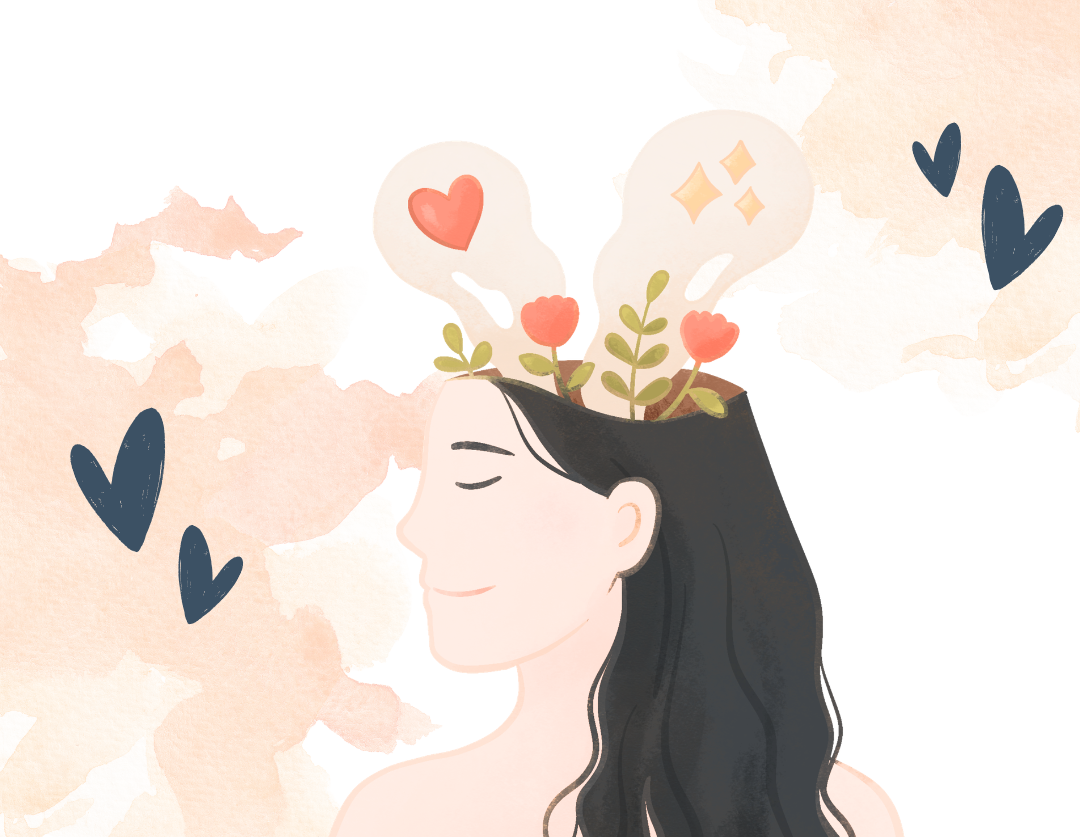
As we enter April, we know that any New Year’s Resolution we set is probably out the window (Forbes says only about 13% of us say they have lasted this long). However, a recent article from The New York Times highlights a reassuring message for us all: goals and resolutions that support mental and brain health do not have to be complicated. Instead, their research says it is built through small, consistent daily habits that promote resilience, balance, and well-being.
The article outlines several key practices that support both cognitive function and emotional well-being:
Overall, the message is that small, everyday habits—staying connected, getting outside, limiting screen time, protecting your senses, and prioritizing sleep—can have a significant impact on brain health over time.
How can this be transferred to the Classroom?
These recommendations align closely with what we already know as educators: students learn best when they practice these strategies too. The classroom is a powerful environment for building these habits early.
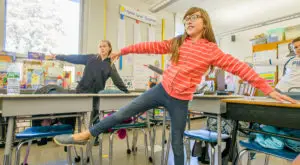
A few minutes of movement and mindfulness each day can support both brain health and classroom success. Yoga 4 Classrooms provides simple, accessible practices that directly support the very strategies highlighted in the research.
Consider:
These small shifts mirror the science: consistent, simple habits create lasting impact.
| Cookie | Duration | Description |
|---|---|---|
| cookielawinfo-checkbox-analytics | 11 months | This cookie is set by GDPR Cookie Consent plugin. The cookie is used to store the user consent for the cookies in the category "Analytics". |
| cookielawinfo-checkbox-functional | 11 months | The cookie is set by GDPR cookie consent to record the user consent for the cookies in the category "Functional". |
| cookielawinfo-checkbox-necessary | 11 months | This cookie is set by GDPR Cookie Consent plugin. The cookies is used to store the user consent for the cookies in the category "Necessary". |
| cookielawinfo-checkbox-others | 11 months | This cookie is set by GDPR Cookie Consent plugin. The cookie is used to store the user consent for the cookies in the category "Other. |
| cookielawinfo-checkbox-performance | 11 months | This cookie is set by GDPR Cookie Consent plugin. The cookie is used to store the user consent for the cookies in the category "Performance". |
| viewed_cookie_policy | 11 months | The cookie is set by the GDPR Cookie Consent plugin and is used to store whether or not user has consented to the use of cookies. It does not store any personal data. |
Sign up for our newsletter to get mindfulness tips, classroom tools, and exclusive offers—delivered straight to your inbox.
✨ Join now and get 10% off your first order! ✨